
Decanting the Ballogie Souter’s Workshop
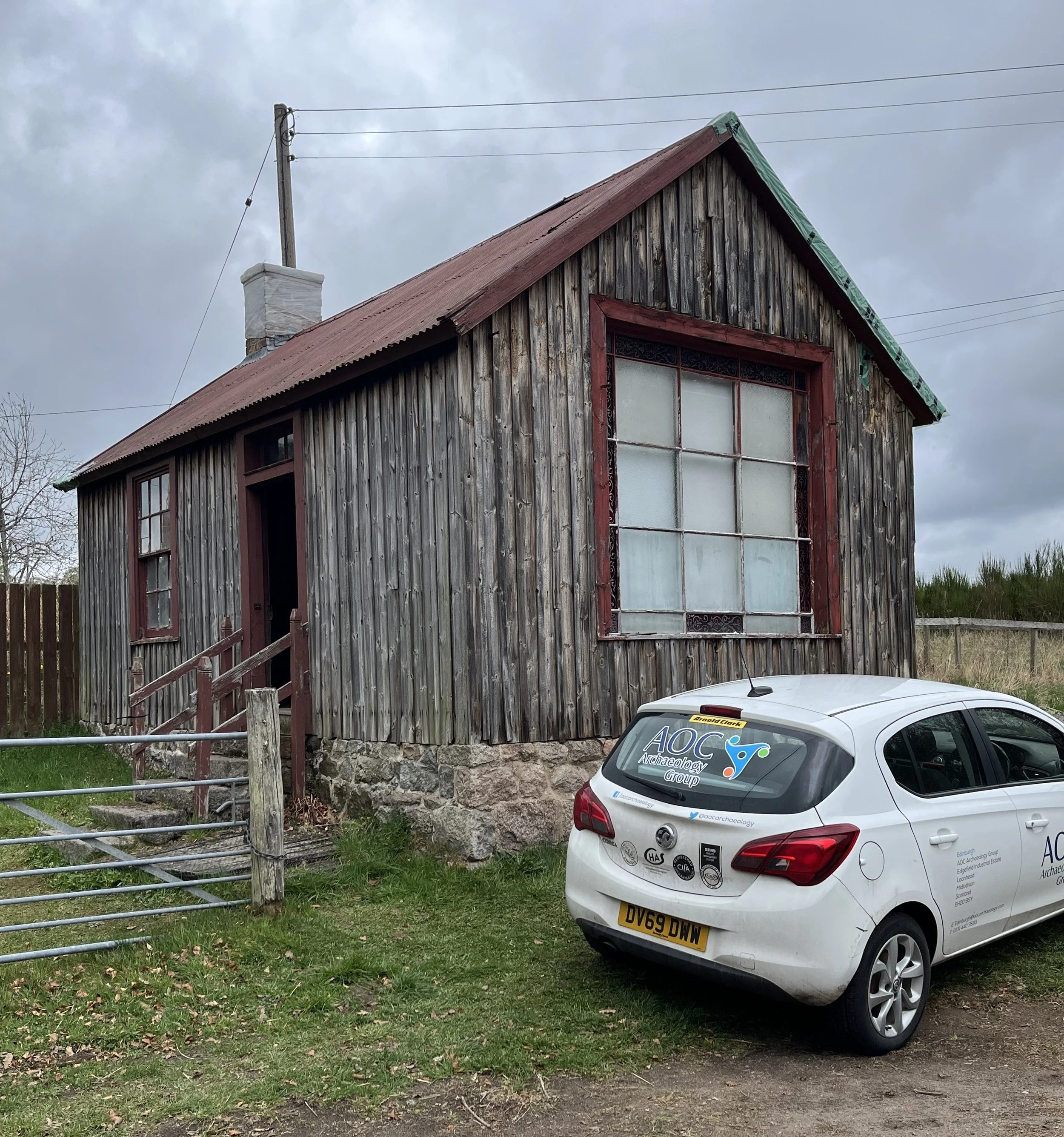
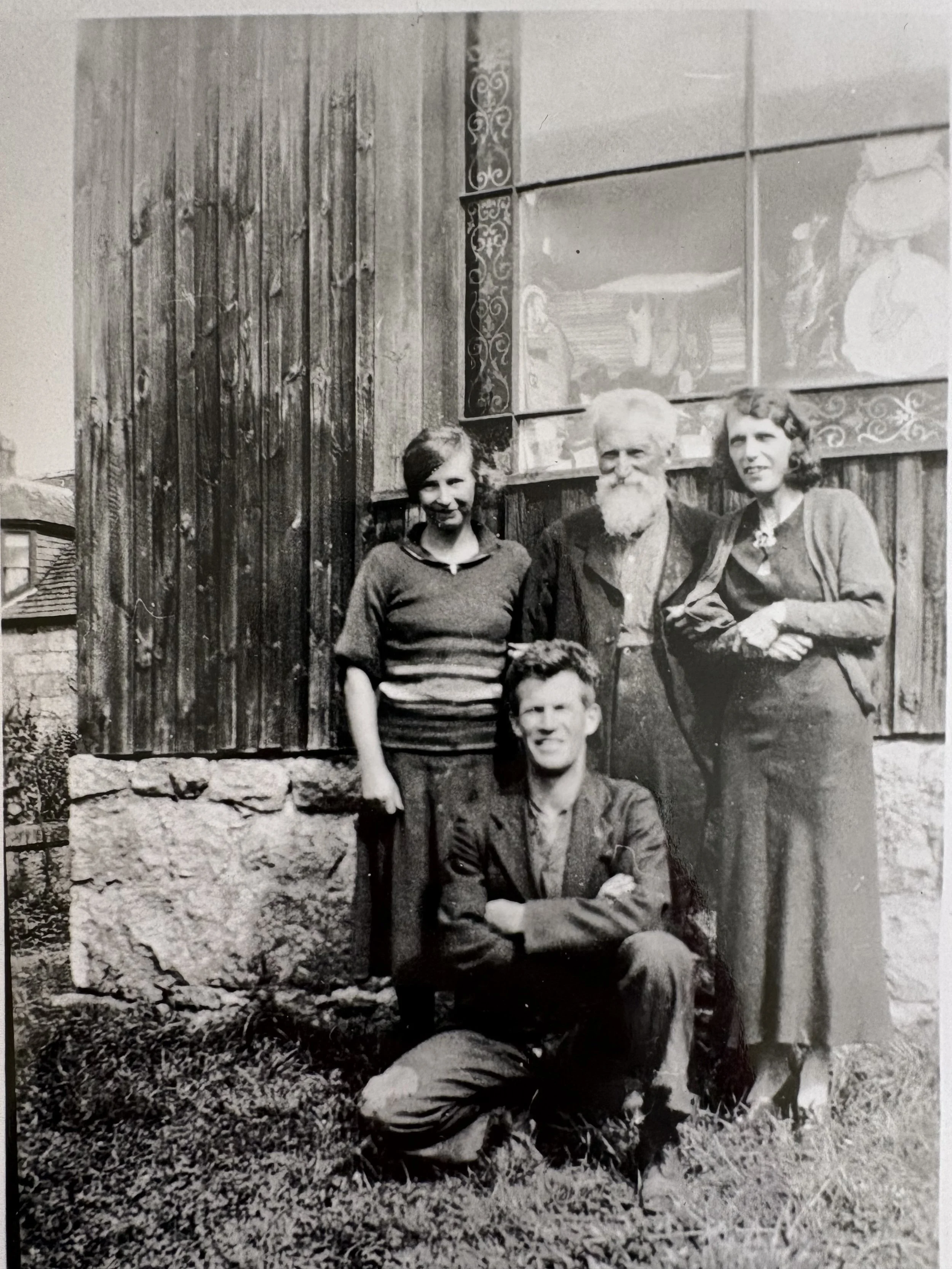
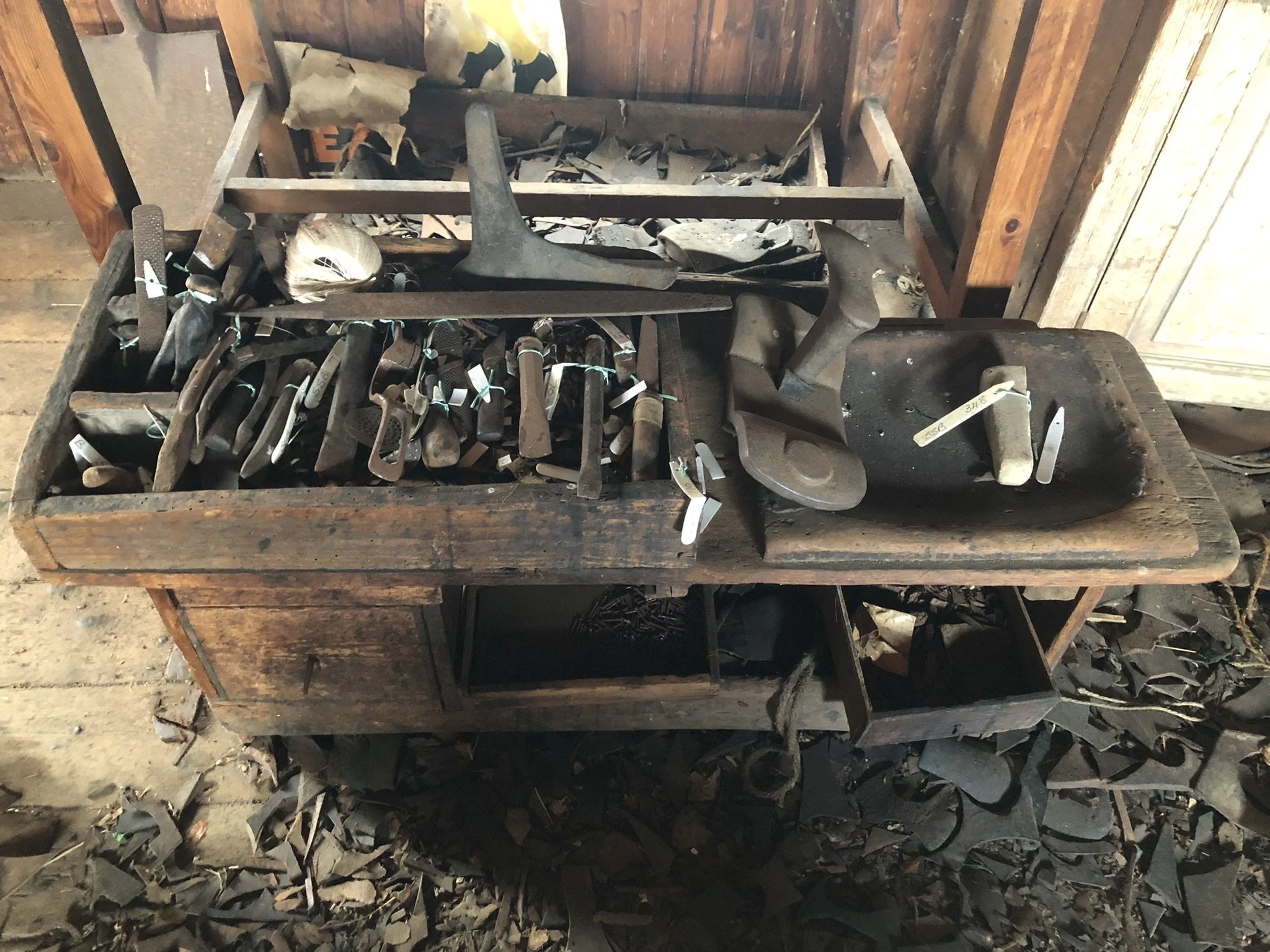
Last year we posted about an exciting project based in Aberdeenshire, at the Ballogie Souter’s Workshop. This remarkable A-listed building, which belonged to James Merchant, has remained largely untouched since his death in 1941, and serves as a unique time capsule of life in rural Scotland the 19th century. However, while the building, along with the contents of the shop and workshop, are incredibly well preserved, it is still in need of some conservation intervention to ensure its continued preservation. Thanks to fundraising and donations the necessary building work can now take place! But before repairs can be made to the building, nearly 1000 objects must first be decanted to storage.
Over the past few months, we have been supporting the trustees and volunteers at the BCT, who have been working tirelessly throughout the worst weather conditions to meet their deadline!
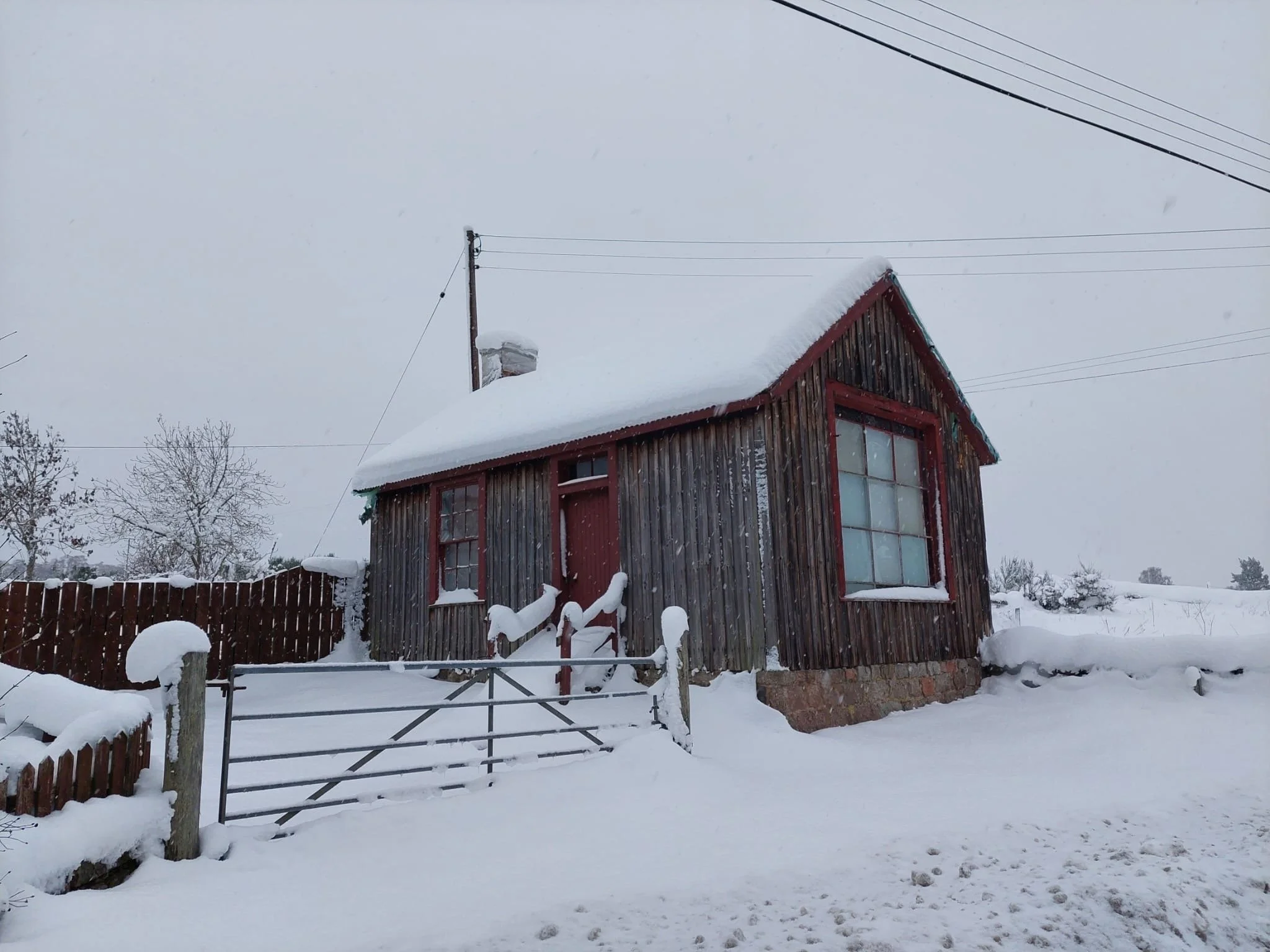
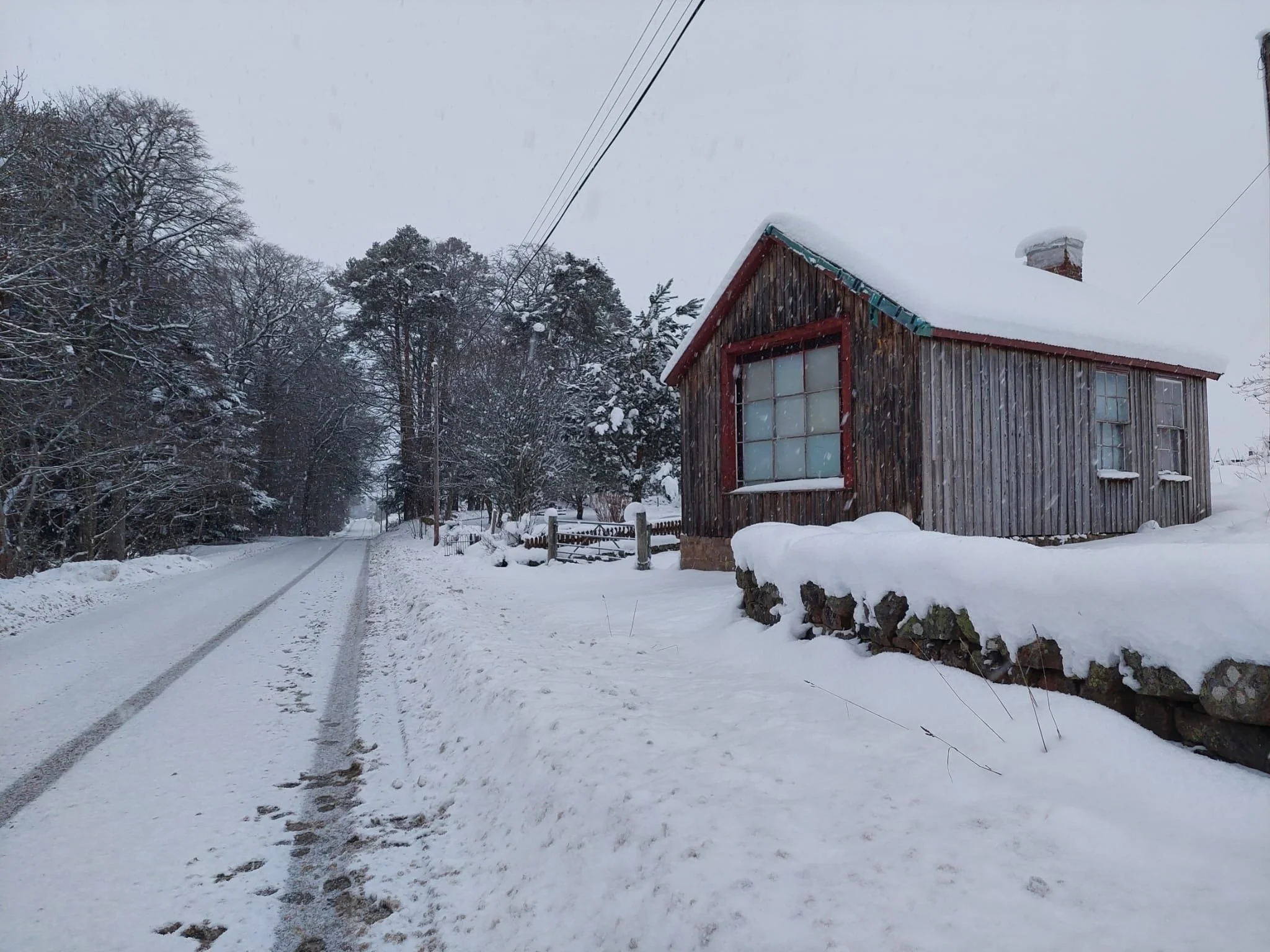
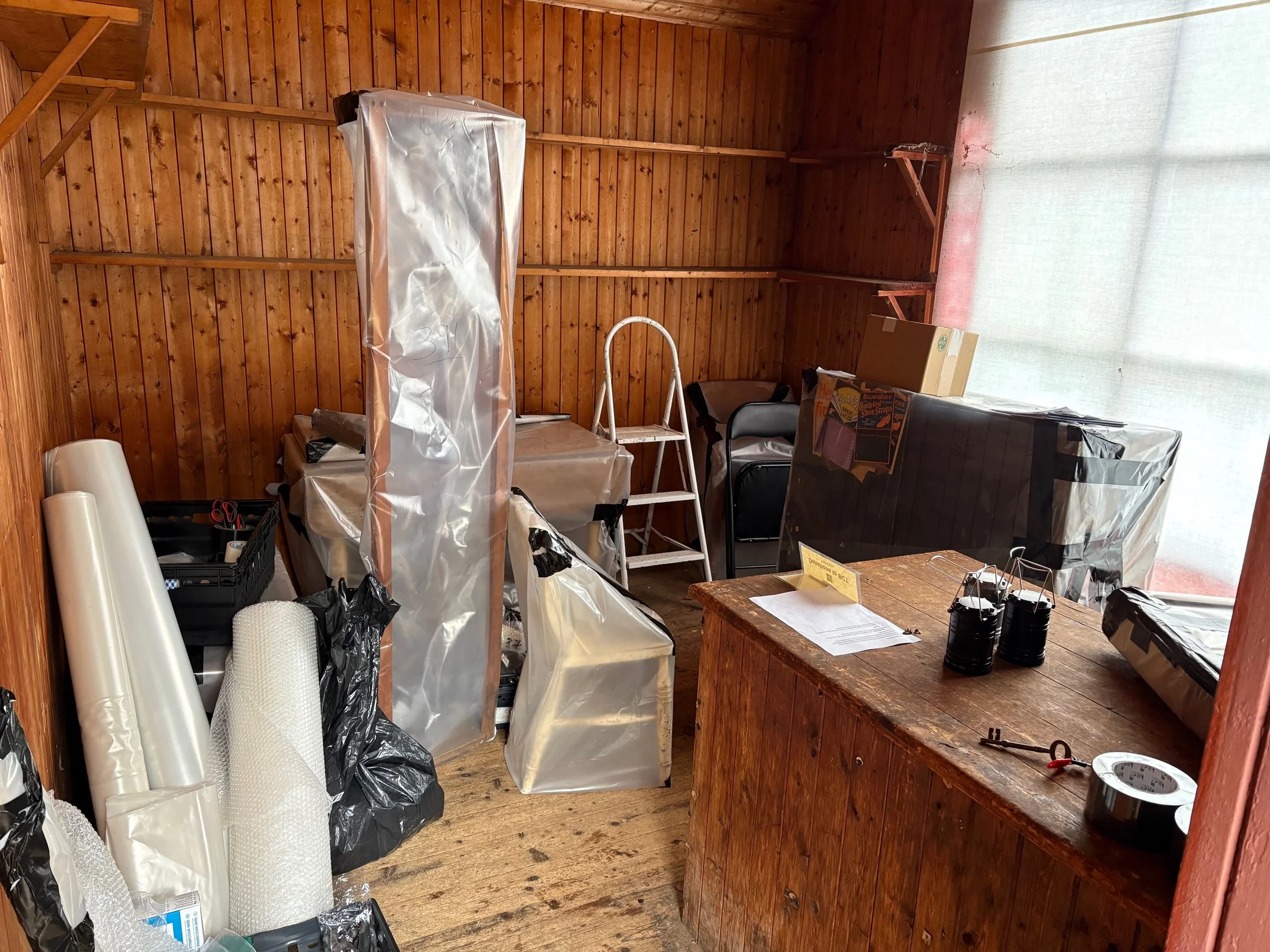
But despite the weather, the Birse Community Trust and their volunteers have almost finished emptying the shop and the workshop, armed with the knowledge and skills gained over a two-day training workshop delivered by AOC Archaeology. Each item in the building, from large pieces of furniture to small hand tools, has been carefully wrapped, labelled, and transferred out of the building to await conservation treatment.
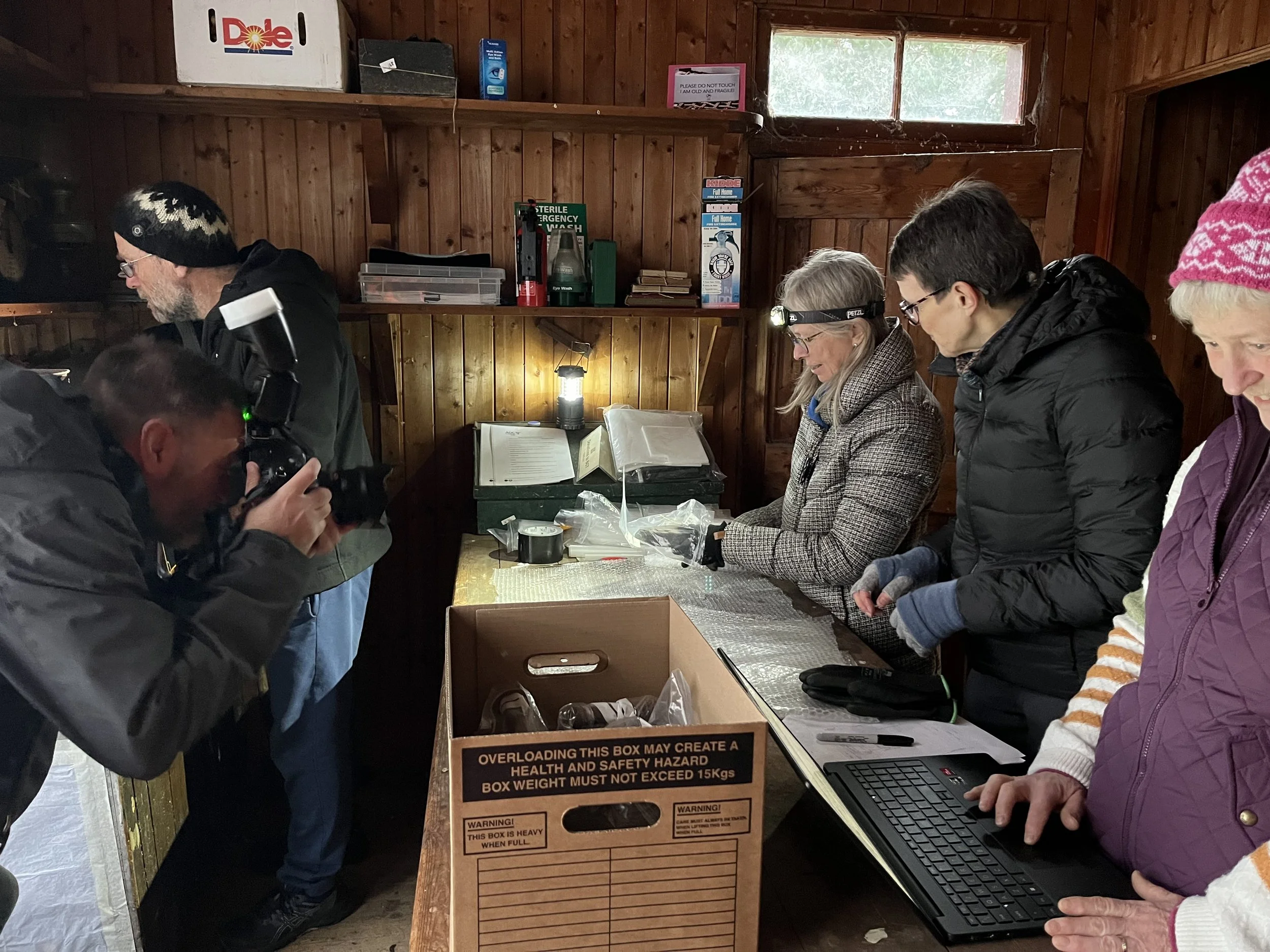
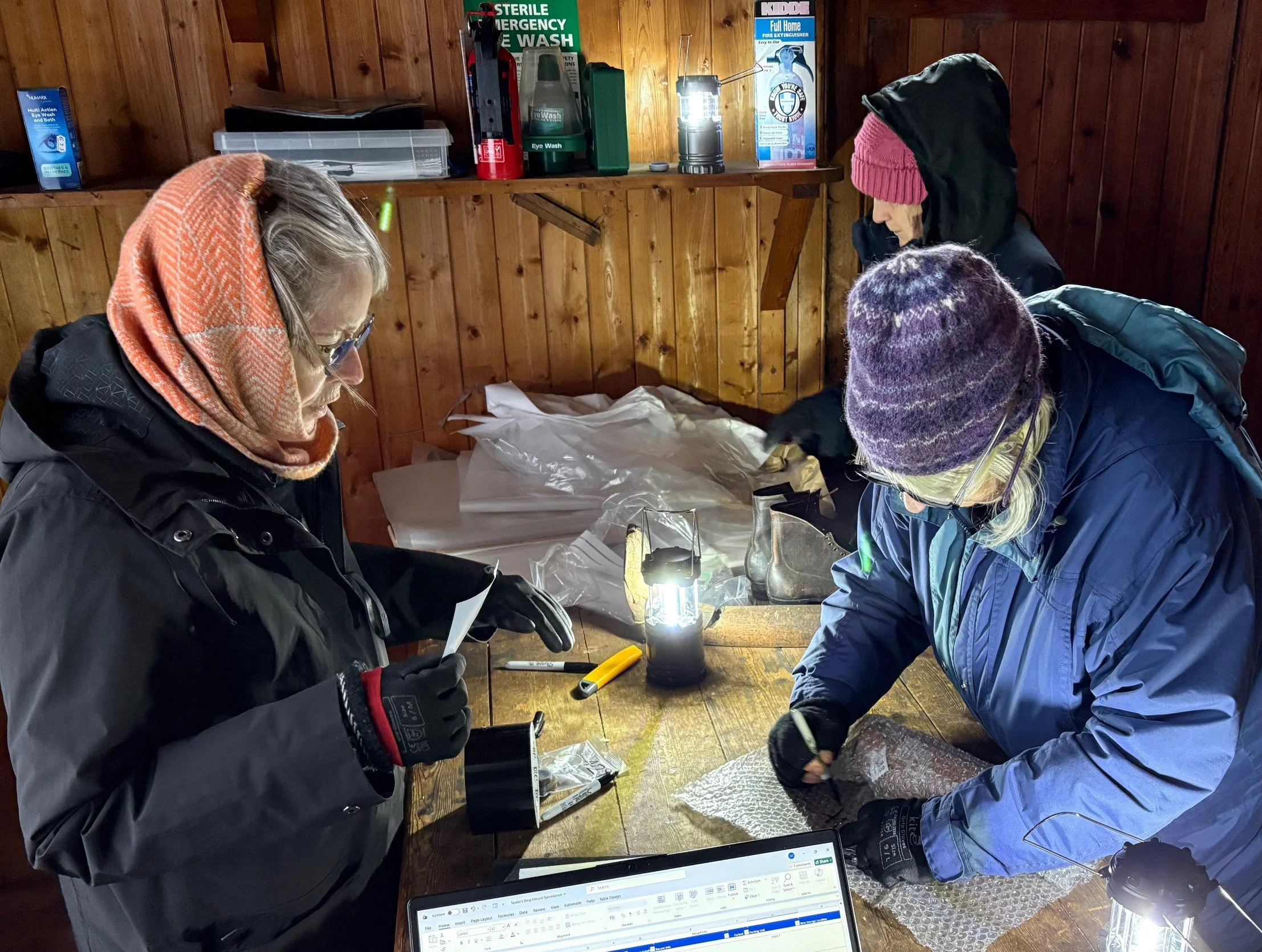
Support from the community, and an acknowledgement of just how big a task the Trust and their volunteers have undertaken, was shown by the local newspaper coming out to visit during one of the training sessions.
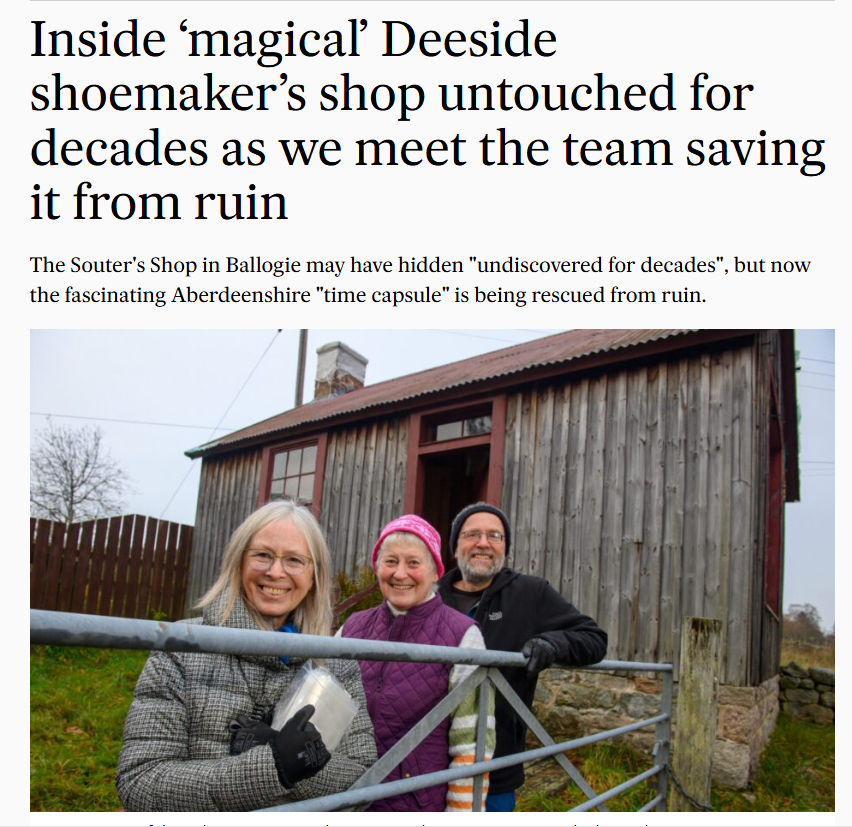
P & J Article on the Ballogie Souter’s Workshop
Ballogie Souter's Shop: 'Why we want to save this magical place'
Because the goal of this project is not to restore but to preserve the objects, the building, and the sense of walking into the shop with the Souter having just downed tools for the day, it was also very important that the precise locations of objects within the building were recorded prior to packing and decanting, so they can be returned to their original location once work is complete. This meant getting to grips with the tracking spreadsheet, photographing every inch of the building, and remembering to record the new storage location of each object when it had been safely moved into storage.
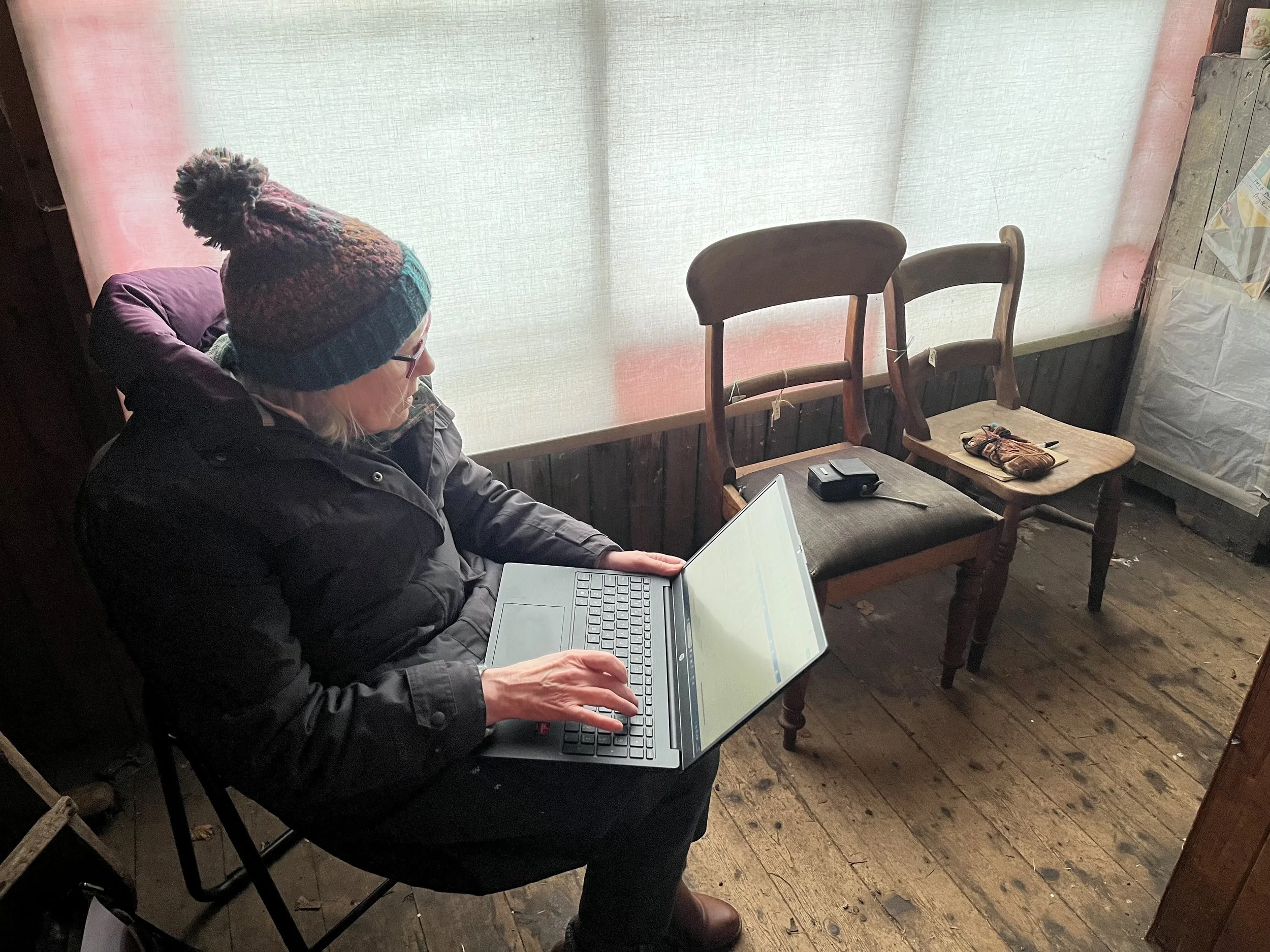
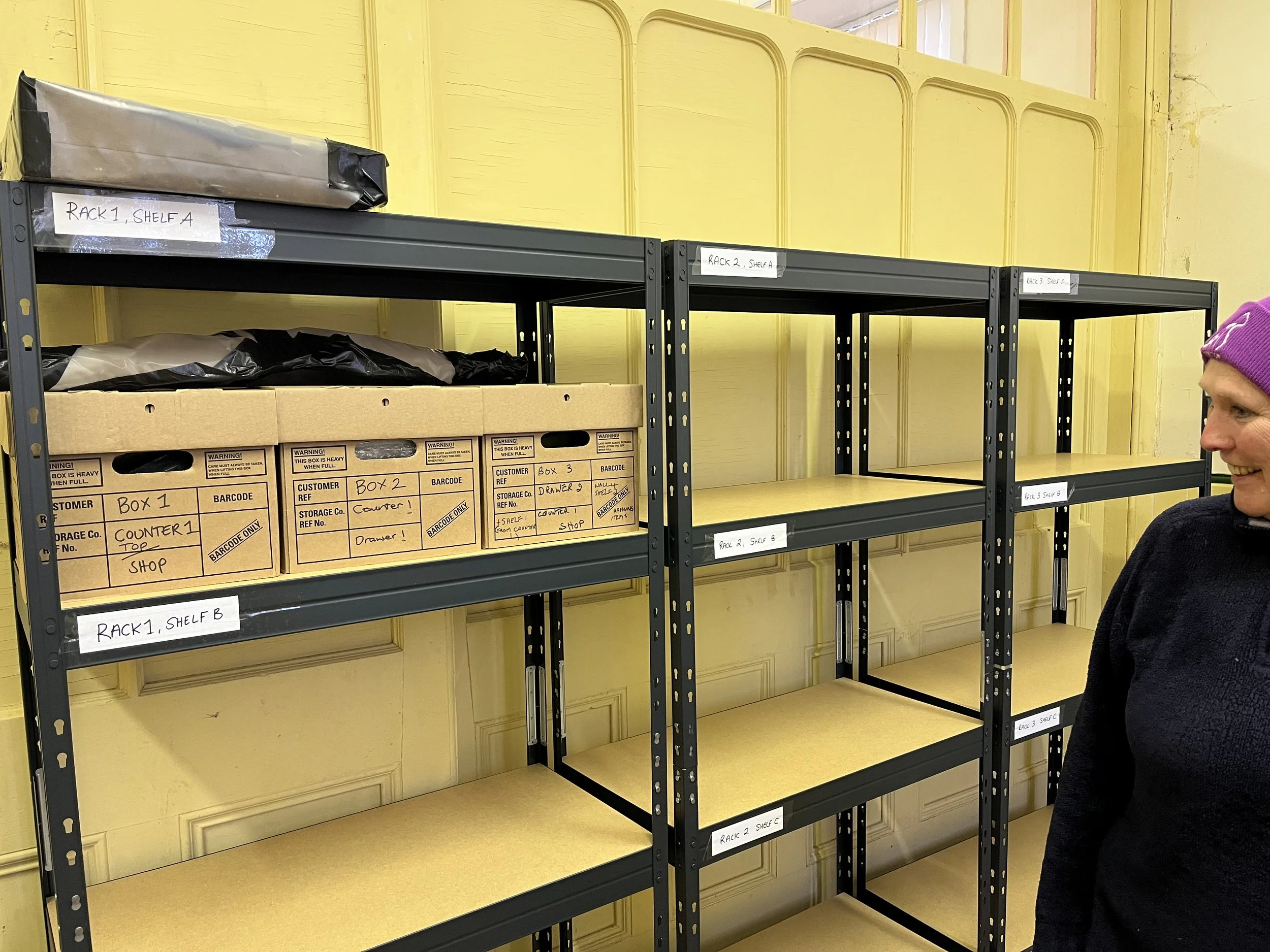
Stay tuned for a further post later in the year, when we will be training volunteers and Trustees in how to conserve and care for this remarkable collection!
If you would like to learn more about the Ballogie Souter’s Workshop, or to make a donation towards the preservation of this site, visit the Birse Community Trust website.

Birse Community Trust