Services

Archaeology
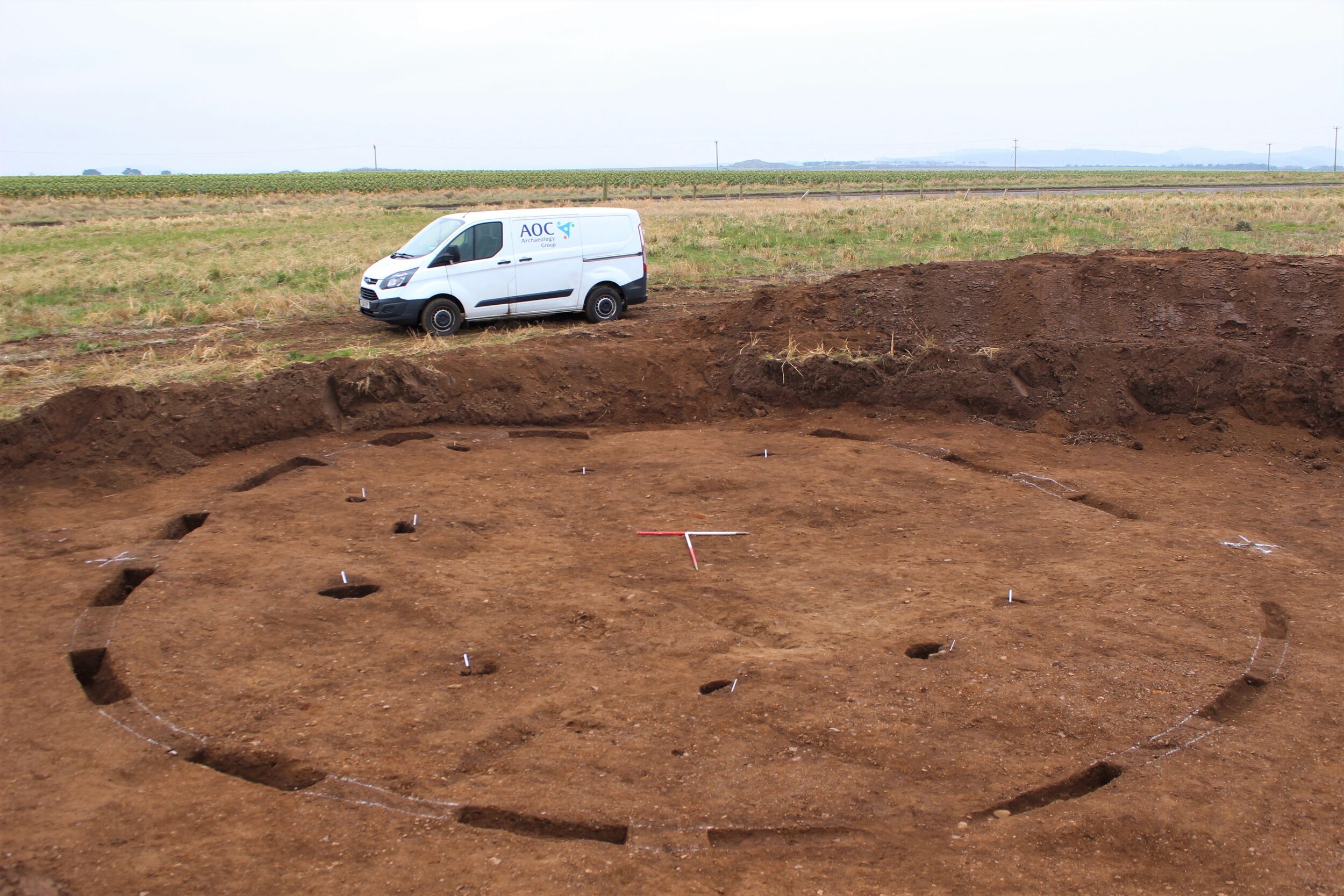
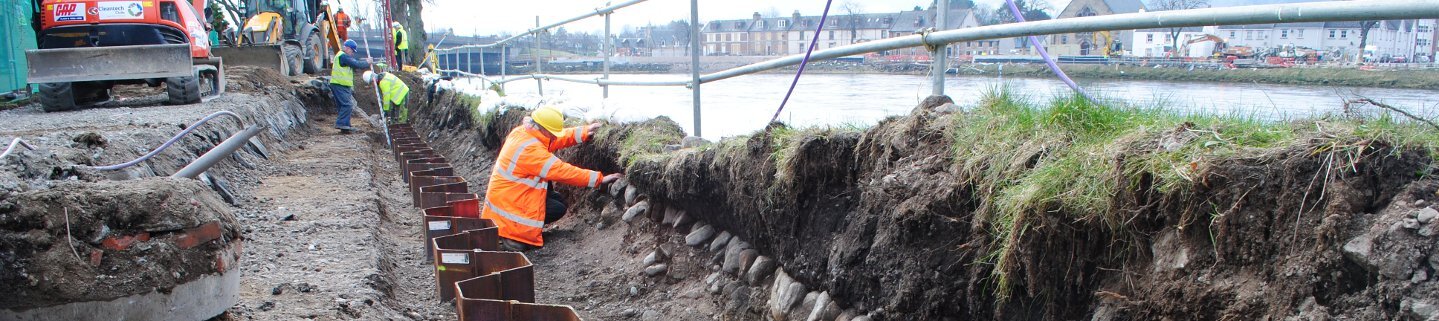
We offer a full range of archaeology services, from excavations to lab analysis.

Outreach
We are dedicated to maximising public and community benefit from archaeology.

Conservation
We have one of the country's best-equipped archaeological conservation laboratories.

Consultancy
Our consultants can help you plan your project in line with relevant guidance.
Find the services best suited for your needs by choosing one of the options below.
I need advice on heritage and planning
If you are planning a project that is likely to involve heritage-related concerns, we can help you plan ahead with expert advice.
I have been given a heritage-related planning condition
If your development has been given a planning condition, get in touch to find out how we can help.
I need a survey of an archaeological site or historic building
Survey is the first stage in recording and investigating our heritage. We can provide all types of survey, including LiDAR, laser scanning, 3D topographic or historic building survey.
I need a geophysical survey
We can provide a wide range of geophysical surveys, including gradiometry/magnetometry, resistivity and ground penetrating radar.
I want to plan a community heritage project
If you have an idea for a community heritage project and you would like us to help you develop that idea, get in touch to see how we can help make your project a reality.
I need Conservation services or advice
AOC operates one of the country's best equipped archaeological conservation laboratories. We can provide advice on conservation strategy, or carry out conservation work on a wide range of objects and materials.
I need post-excavation analysis services
AOC provides a comprehensive post-excavation service, ranging from project design through to specialist scientific analyses, illustration, publication and archiving.